Vehicle safety and performance depend heavily on how well each component functions, and your braking system is one of the most important parts to keep in good condition.
Subtle vibrations, shaking or changes in stopping power can indicate deeper issues within the system. These early signs typically indicate warped brake rotors, uneven surfaces, or heat-related issues that many people ignore until the problem becomes more noticeable.
As the symptoms of brake rotor warping develop, you may also experience soft pedal or instability, both of which are linked to common brake pulsation causes. Giving utmost importance to these changes, along with routine brake rotor maintenance, is essential for retaining control, safety, and consistent performance on the road.
What Does Warped Brake Rotors Mean?
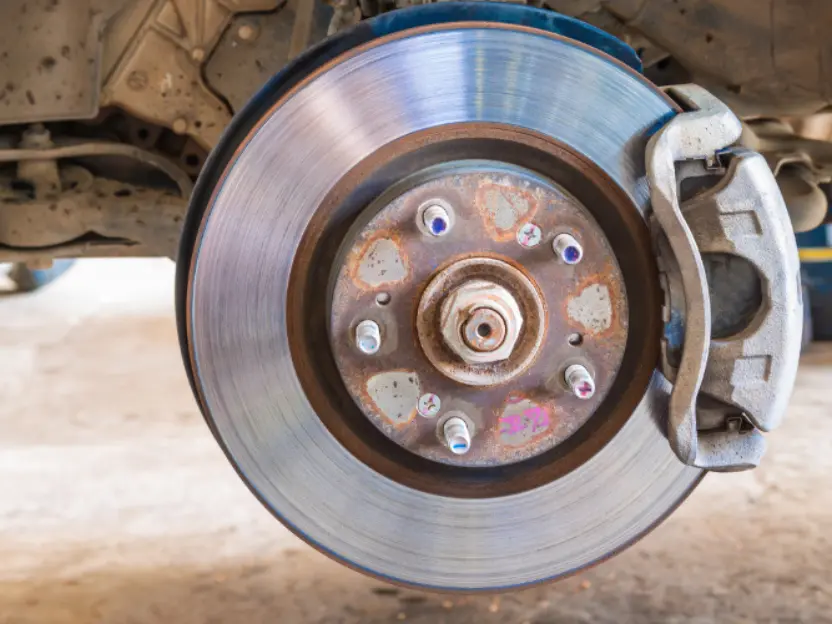
Brake rotors rarely warp compared to other components. Uneven distribution leads to inconsistent thickness across the rotor surface. Even slight variations can cause shuddering or pulsation through the brake pedal, reducing braking efficiency and overall control. When rotors heat up repeatedly during harsh driving conditions in busy suburbs, the metal expands unevenly.
As time passes by, this repeated cycle can lead to:
- Low and high spots on the rotor
- Uneven brake pad deposits
- Increased vibration at high speeds
- Loss of even rotor-to-pad contact
Warning Signs You Have Warped Brake Rotors
- A burnt smell after braking
- Longer stopping distances
- Swirl marks are visible on the rotor surface
- Pulsing or shaking through the brake pedal
- Vibrations that worsen at higher speeds
What are the Major Brake Pulsation Causes?
- Uneven Brake Pad Material Transfer: If a rotor becomes overheated, brake pads start to deposit friction material onto certain areas more than others. This creates something called hot spots, which you may experience pulsing or shuddering.
- Incorrect Wheel Installation: Over-tightening lug nuts or uneven tightening can damage the rotor surface. This is a common cause of warped brake rotors after tyre changes or wheel rotations.
- Excessive Heat Building Up: Driving downhill, heavy braking in traffic, towing loads, or engaging in repeated stop-start driving can significantly increase temperature levels. When heat can’t dissipate evenly, the rotor surface becomes uneven.
- Worn Suspension Components: Loose or worn suspension parts can cause vibration under braking that feels like rotor wobble, even if the rotor is still in proper condition.
- Low-quality Rotor Materials: Cheap or substandard rotors are far more likely to develop thickness variations. Certain metals cannot withstand frequent thermal cycles, especially in higher-temperature climates.
Driving Habits that Lead to Brake Rotor Warping
Everyday habits that speed up brake rotor warping include:
- Heavy braking late instead of controlled braking early
- Carrying unnecessary weight in the boot
- Riding the brakes downhill
- Not downshifting when driving downhill in automatic vehicles
- Towing without proper brake upgrades
- Aggressive acceleration followed by sudden stops
Adjusting these behaviours can instantly reduce stress on your braking system and extend rotor life considerably.
Best Preventive Brake Rotor Maintenance Strategies Everyone Should Follow
Regular brake rotor maintenance is the simplest and most cost-effective way to prevent early rotor wear.
- Choose High-quality Rotors: Rotors made from stronger metal retain their structure, especially under high temperatures. They deliver consistent performance and are far less prone to thickness variations.
- Allow Rotors to Cool Between Heavy Stops: If you are just back from a steep downhill drive or a series of heavy braking situations, avoid stopping completely for an extended period. Keeping the car rolling allows airflow to cool the brakes evenly.
- Get Your Wheels Torqued Correctly: Improper wheel nut torque is a leading cause of unintended rotor distortion. Ensure wheels are tightened using a calibrated torque wrench.
- Flush Brake Fluid at Regular Intervals: Old brake fluid absorbs moisture, reducing braking efficiency and increasing heat, which can cause strain on the rotor surface.
- Maintaining Your Brake Pads: Old or excessively hard pads can cause uneven material transfer. Pairing new pads with compromised rotors creates immediate wear issues.
Partner with Alpine Car Care for Professional Brake Rotor Maintenance
At Alpine Car Care, our focus is on giving drivers across Stafford, Kedron, and Everton Park the confidence of a vehicle that stops smoothly, safely, and predictably. We take the time to thoroughly inspect your braking system, ensuring every part, from pads and callipers to the rotors, functions as it should.
If your vehicle exhibits signs of warped brake rotors or excessive heat spots associated with brake rotor warping, we provide genuine guidance. We help you stay ahead of future problems through clear advice on brake rotor maintenance, driving habits and on-time servicing intervals. Contact us to book a service today.