Table of Contents
- Introduction
- Why Does a 4WD Need More Frequent Servicing?
- How Often Should You Service a 4WD?
- What Should Be Included in an Off-road 4WD Maintenance Checklist?
- What Extra Checks Does a 4WD Need After Off-road Trips?
- Why Is Air Filter Maintenance So Important?
- Why Is Cooling System Maintenance Essential?
- Why Is a 4WD Suspension Inspection after Trips Important?
- How Can Preventive Maintenance Save Money?
- Why Choose a Professional 4WD Mechanic in Brisbane?
- Where Can You Get Reliable 4WD Service in Stafford?
- Choose Alpine Car Care for Professional 4WD Service in Stafford & Beyond
- FAQs
A well-maintained 4WD is built to handle Australia’s toughest roads, but towing caravans, hauling trailers and tackling rough tracks place significantly greater stress on every mechanical component. Standard servicing intervals may not always provide enough protection when your vehicle regularly works under heavy loads.
Understanding how often should you service a 4WD, recognising the ideal 4WD service interval for towing, and following a thorough maintenance schedule help improve reliability, performance and long-term ownership costs. Whether you enjoy weekend adventures or rely on your 4WD for work, professional servicing ensures your vehicle remains ready for every journey.
Why Does a 4WD Need More Frequent Servicing?
A standard passenger vehicle spends most of its life on sealed roads with predictable loads. But a 4WD is nowhere near a normal passenger vehicle, as it is used on rough terrain, shallow streams, and much more.
It may experience:
- Heavy towing
- Steep climbs
- Deep mud
- Sand driving
- River crossings
- Corrugated roads
- High engine temperatures
- Increased drivetrain stress
These conditions accelerate wear on:
- Engine oil
- Transmission
- Transfer case
- Differentials
- Suspension
- Steering components
- Brakes
- Bearings
- Tyres
That’s why professional servicing becomes even more important.
How Often Should You Service a 4WD?
There isn’t a single universal answer because service needs depend on how the vehicle is used.
Normal Driving
Most manufacturers recommend:
- Every 10,000–15,000 km
- Or every 6–12 months
Frequent Towing
For vehicles regularly towing caravans, boats or trailers:
- Engine oil every 5,000–10,000 km
- Brake inspections more frequently
- Cooling system checks
- Transmission inspections
This shorter 4WD service interval for towing helps reduce long-term wear.
Heavy Off-Road Driving
After challenging trips, many components should be inspected regardless of the kilometres travelled.
These include:
- Suspension
- Undercarriage
- Steering
- Differentials
- CV joints
- Recovery points
- Tyres
If your vehicle frequently combines towing with off-road travel, professional inspections after every major trip are recommended.
What Should Be Included in an Off-road 4WD Maintenance Checklist?
Every off-road trip exposes your vehicle to dust, rocks, water and vibration. A proper off-road 4WD maintenance checklist should include:
Engine Inspection
Check for:
- Oil leaks
- Coolant levels
- Air filter contamination
- Loose belts
- Hose damage
Steering
Look for:
- Play in steering
- Damaged tie rods
- Bent steering components
- Worn joints
Suspension
Inspect:
- Shock absorbers
- Springs
- Bushes
- Mounts
Off-road impacts can loosen or damage suspension components.
Underbody
Inspect:
- Bash plates
- Fuel tank
- Exhaust
- Transfer case
- Cross members
Brakes
Inspect:
- Pads
- Rotors
- Brake lines
Tyres
Check:
- Sidewall cuts
- Tread damage
- Pressure
- Uneven wear
Lights
Ensure all lights remain operational after rough tracks.
Recovery Equipment
Confirm:
- Tow points secure
- Winch functioning
- Recovery hooks undamaged
What Extra Checks Does a 4WD Need After Off-road Trips?
Professional mechanics often recommend additional inspections, including:
Differential Breathers
Blocked breathers can allow water contamination.
CV Boots
Check for:
- Splits
- Leaks
- Dirt ingress
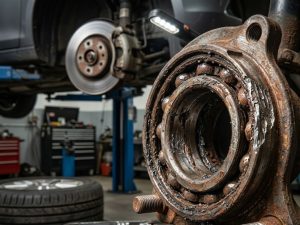
Wheel Bearings
Mud and water crossings may affect lubrication.
Driveshafts
Inspect:
- Universal joints
- Centre bearings
- Greasing points
Fluid Contamination
Water crossings can contaminate:
- Differential oil
- Transmission fluid
- Transfer case oil
Replacing contaminated fluids quickly prevents expensive repairs.
Chassis Inspection
Look for:
- Cracks
- Loose bolts
- Damage from rocks
Why Is Air Filter Maintenance So Important?
Dust is one of the biggest enemies of off-road engines. A clogged air filter:
- Reduces fuel economy
- Restricts airflow
- Lowers engine performance
- Increases engine wear
Vehicles driven on dusty tracks often require air filter inspections far more frequently than city-driven vehicles.
Why Is Cooling System Maintenance Essential?
Towing increases engine temperatures dramatically. Professional servicing includes checking:
- Coolant
- Radiator
- Thermostat
- Hoses
- Cooling fan
- Water pump
An overheating engine can quickly lead to major mechanical damage.
Why Is a 4WD Suspension Inspection after Trips Important?
Suspension absorbs every impact during off-road driving. Even moderate tracks create enormous forces.
A professional 4WD suspension inspection helps identify:
- Leaking shock absorbers
- Bent components
- Loose mounts
- Damaged bushes
- Coil spring fatigue
- Steering wear
Ignoring suspension problems affects:
- Vehicle stability
- Tyre wear
- Braking
- Towing performance
How Can Preventive Maintenance Save Money?
Preventive servicing costs significantly less than major repairs.
Regular inspections help detect:
- Minor leaks
- Worn bushes
- Damaged seals
- Bearing wear
- Suspension fatigue
Repairing small issues early helps avoid expensive failures during future trips.
Why Choose a Professional 4WD Mechanic in Brisbane?
A qualified 4WD mechanic in Brisbane understands the unique maintenance requirements of vehicles used for:
- Towing caravans
- Off-road touring
- Camping
- Commercial work
- Long-distance travel
Professional servicing includes thorough inspections tailored to your vehicle’s actual usage rather than simply following standard service schedules.
Where Can You Get Reliable 4WD Service in Stafford?
If your vehicle regularly tackles Queensland’s diverse conditions, choosing an experienced workshop makes a significant difference. At Alpine Car Care, professional 4WD service in Stafford includes inspections designed specifically for vehicles exposed to towing and off-road conditions.
Depending on your vehicle and service requirements, the team can assist with:
- Logbook servicing
- Engine servicing
- Brake inspections
- Suspension inspections
- Steering repairs
- Cooling system checks
- Transmission servicing
- Differential servicing
- Fluid replacement
- Tyre inspections
- General mechanical repairs
Industry Facts
- According to the Australian Automobile Association (AAA), proper vehicle maintenance improves reliability and helps reduce unexpected roadside breakdowns.
- Transport for NSW advises that regular inspections of tyres, brakes and steering systems are essential for vehicle safety, particularly before long-distance travel or towing.
Choose Alpine Car Care for Professional 4WD Service in Stafford & Beyond
Whether you’re towing a caravan across Queensland, exploring remote tracks or using your vehicle for demanding daily work, following the right servicing schedule is essential. Knowing how often you should service a 4WD, maintaining the correct 4WD service interval for towing, completing an off-road 4WD maintenance checklist, and staying on top of 4WD transmission and diff service timing will help keep your vehicle reliable for years to come.
At Alpine Car Care, we provide professional 4WD service in Stafford, Kedron, Everton Park, and Brisbane, tailored to how your vehicle is used. From comprehensive inspections and preventative maintenance to drivetrain, suspension and mechanical repairs, our experienced team helps keep your 4WD ready for every towing job and off-road adventure. If you’re looking for a trusted 4WD mechanic in Brisbane, contact us to book your next service and drive safely.
FAQs
Is a 4WD service different from a normal car service?
Yes. A 4WD service includes additional inspections of components such as the transfer case, differentials, suspension, underbody, and drivetrain. Vehicles used for towing or off-road driving usually require more comprehensive checks than standard passenger cars.
What are the signs that your 4WD needs servicing sooner than scheduled?
Warning signs include unusual noises, vibrations, fluid leaks, poor braking, steering changes, overheating or difficulty shifting gears. If you’ve completed a demanding towing or off-road trip, an earlier inspection is also recommended.
Does towing a caravan or trailer void your 4WD's warranty if you skip extra servicing?
It can contribute to warranty issues if missed servicing leads to preventable damage. Always follow your manufacturer’s maintenance schedule and keep service records, especially when regularly towing caravans, trailers or heavy loads.
How much does a 4WD service typically cost in Brisbane?
The cost varies depending on your vehicle, service type, and any required repairs. A basic service is generally less expensive than a major service, so request a personalised quote from a trusted local workshop.
Can you service your own 4WD, or should you always use a mechanic?
You can perform simple maintenance, such as checking fluids and tyre pressures, but professional servicing is recommended. Qualified mechanics have the tools and expertise to inspect critical components and identify hidden wear before problems develop.
What happens if you don't service a 4WD regularly after off-road or towing use?
Delaying servicing can lead to faster wear on the engine, transmission, suspension , and differentials. Small issues may become costly repairs, reducing reliability, safety and your vehicle’s performance during future towing or off-road trips.
How long does a full 4WD service take?
A full 4WD service usually takes several hours, depending on the vehicle’s condition and the work required. Major services or repairs may take longer, particularly if additional inspections or replacement parts are needed.