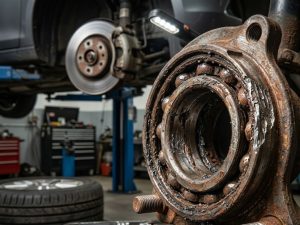
There’s nothing quite as unnerving as pressing down on the accelerator, only to feel your car hesitate when accelerating. Whether you’re cruising through Stafford, navigating the busy streets of Everton Park, or driving up and down the slopes near Kedron, a sudden loss of power when accelerating can make every journey stressful. This engine hesitation can point to a range of underlying problems, from simple maintenance issues to more complex mechanical faults.
In this guide, we’ll break down the most important things to inspect when your vehicle hesitates under acceleration, starting from what may be causing it, how it affects performance, and what steps you can take to address the issue. We’ll also explain how Alpine Car Care can help you get back on the road with confidence.
Why Your Car Hesitates When Accelerating
When you experience hesitation, it usually means your engine isn’t getting the right mixture of air and fuel at the right time. The effect can feel like a stumble or brief loss of acceleration — especially noticeable when merging onto highways, climbing hills, or overtaking other vehicles. These symptoms often indicate underlying acceleration problems that require attention before they escalate into costly repairs.
1. Fuel Delivery Issues
One of the first areas to check when your car hesitates when accelerating is the fuel delivery system. If fuel isn’t reaching the engine in a consistent, clean flow, it can disrupt combustion and reduce power.
Key components to inspect:
- Fuel Pump: A failing pump may not deliver enough fuel under load.
- Fuel Filter: A clogged filter restricts flow, starving the engine.
- Fuel Injectors: Dirty or blocked injectors can affect spray patterns and fuel atomisation.
Signs of fuel delivery problems:
- Jerky acceleration
- Rough idle
- Reduced fuel economy
Professional cleaning or timely replacement of these parts can often restore smooth acceleration if fuel delivery issues are the cause.
2. Air Intake and Sensor Checks
Your engine requires the correct mixture of air and fuel to produce power. If airflow is restricted or misread by sensors, it can trigger engine hesitation and sluggish acceleration. What to look at:
- Air Filter: A dirty filter restricts airflow, reducing engine efficiency.
- Mass Airflow (MAF) Sensor: If it’s dirty or faulty, the engine control unit (ECU) may miscalculate fuel needs.
Potential symptoms:
- Poor throttle response
- Rough acceleration
- Loss of fuel efficiency
Replacing an old air filter and having sensors tested can be simple steps toward smoother performance.
3. Ignition System and Spark Plug Condition
The ignition system creates the spark that ignites the fuel-air mixture in your engine. Faults here are a frequent cause of acceleration problems and hesitation.
Components to inspect:
- Spark Plugs: Worn or dirty plugs misfire and diminish power.
- Ignition Coils: A faulty coil can weaken or interrupt the spark.
Signs of ignition issues:
- Misfires
- Rough engine running
- Difficulty accelerating
Regular inspection and replacement of the spark plug during servicing help prevent these issues.
4. Throttle and Engine Control Sensors
Modern engines rely on sensors to manage throttle response and fuel-air balance. Any irregular readings can contribute to engine hesitation and loss of power when accelerating. Essential sensors include:
- Throttle Position Sensor (TPS): Tells the ECU how far the accelerator is pressed.
- Oxygen Sensors: Help regulate the correct air-fuel mix after combustion.
Faulty sensors often trigger the check engine light and can be accurately diagnosed using professional diagnostic tools.
5. Transmission Issues and Power Delivery
Although hesitations often feel like engine problems, sometimes the culprit lies in the transmission rather than the engine itself. A slipping clutch, a worn-out torque converter, or electronic transmission faults can cause acceleration hesitation.
Transmission-related symptoms:
- Hesitation at gear changes
- Sluggish response under load
- Jerking during acceleration
If suspected, it’s best to have a qualified technician test both the engine and transmission systems to pinpoint the real cause.
6. Regular Maintenance to Prevent Engine Hesitation
Prevention is always better than a cure, especially for issues like loss of power when accelerating. Regular maintenance helps keep your vehicle running smoothly and prevents minor issues from becoming major problems.
Routine checks include:
- Air and fuel filter changes
- Spark plug inspection
- Fuel system cleaning
- Sensor testing
- Engine diagnostics
Simple steps like these help ensure optimum performance, even on the busy roads between Stafford, Everton Park and Kedron.
When to Seek Professional Help
If your vehicle continues to hesitate despite basic checks, it’s time for a more detailed inspection. Engines, especially modern ones, have complex systems that require diagnostic expertise and specialised tools to identify underlying faults quickly and accurately.
Here are some warning signs you shouldn’t ignore:
- Persistent hesitation under acceleration
- Check engine light illuminated
- Noticeable drop in power on inclines
- Poor fuel economy
Experiencing engine hesitation or acceleration problems can be frustrating and potentially unsafe on busy suburban roads or packed highways in Queensland. That’s where Alpine Car Care steps in — your local expert for reliable car servicing and repairs in Stafford, Everton Park and Kedron.
Attain Expert Solutions from Alpine Car Care
At Alpine Car Care, highly qualified technicians use advanced diagnostic tools to pinpoint and resolve issues behind your car’s hesitation when accelerating. From fuel delivery inspections to air intake checks, ignition system testing and complete engine diagnostics, you get clear explanations and honest advice before any work begins.
With a commitment to transparency, quality parts, and personalised service, Alpine Car Care ensures your vehicle performs at its best — whether tackling daily commutes, weekend drives, or long trips.
Don’t let the loss of power when accelerating hold you back; get our expert help. Book your inspection today and keep your car running smoothly.